Your Guide to Real Estate Investment in Ghana
Step-by-Step Guide: Buying Property in Ghana - Crucial Tips and Guidance for Property Buyers
Acquiring a property in Ghana requires thorough planning and awareness of the local real estate landscape. Homebuyers must evaluate multiple factors, including budget, property searches, and legal obligations. Collaborating with real estate professionals can expedite the process. However, many miss essential aspects of due diligence that could impact their investment. Understanding these intricacies can make all the difference in a successful purchase. What essential steps should every buyer be familiar with?
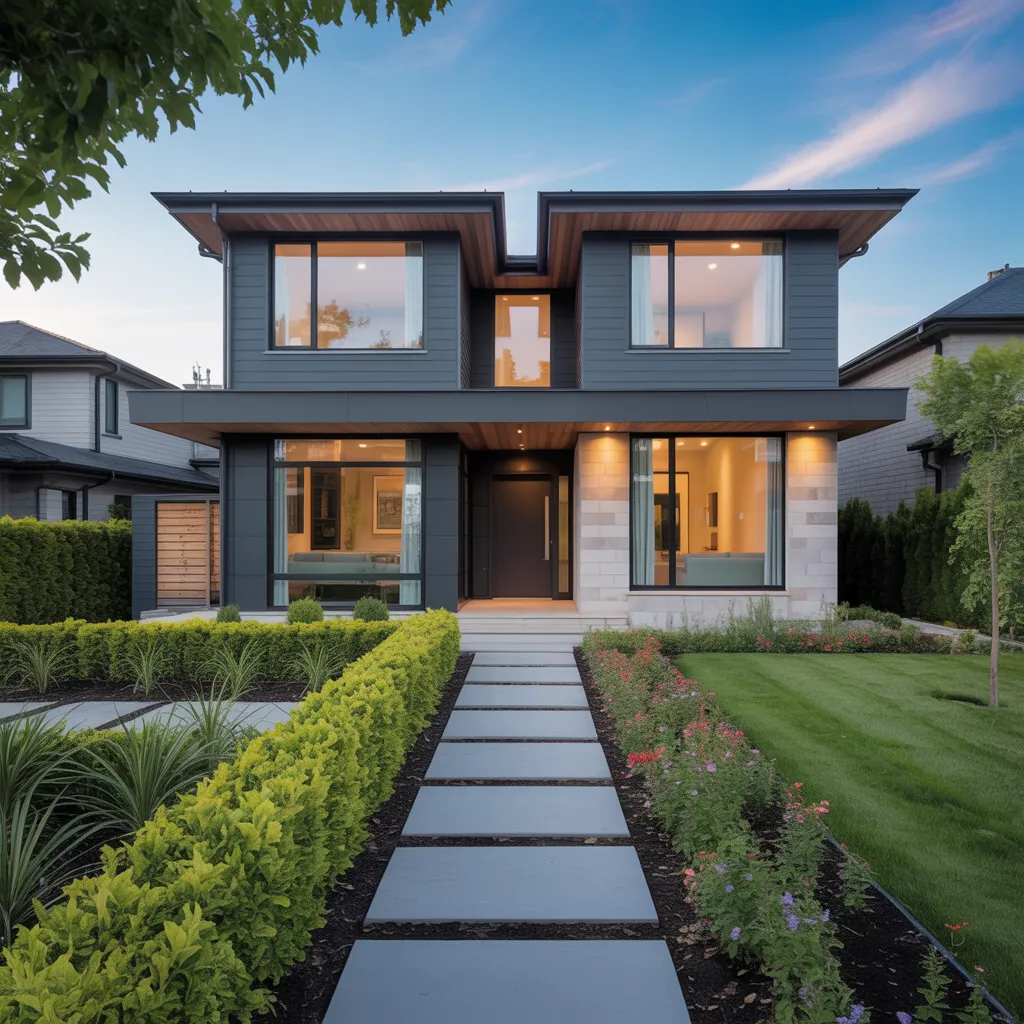
Comprehending the Ghanaian Real Estate Market
The Ghanaian real estate market presents a dynamic environment shaped by various economic and social factors. Accelerated urbanization and population increases have markedly elevated the need for residential properties, notably in primary metropolitan areas including Accra and Kumasi. Moreover, the rising middle class has encouraged a transition in consumer choices favoring modern conveniences and gated neighborhoods. The market is characterized by a mix of traditional and contemporary housing options, addressing different consumer demands.
Foreign investment has also played a vital role, with expatriates seeking properties in desirable locations. However, prospective purchasers need to address obstacles including changing home values and inconsistent standards of infrastructure development. Legal structures may be intricate, often requiring due diligence to ensure compliance. All in all, comprehending the complexities of the Ghanaian real estate market environment is essential for future real estate investors, providing them with the insight to make knowledgeable judgments in this vibrant market.
Establishing Your Budget and Funding Choices
Steering through the Ghanaian real estate market demands a thorough understanding of financial boundaries and financing options. Property purchasers must first examine their financial situation, considering income, savings, and any existing debts. Establishing a realistic budget is crucial, as it will determine the price range for potential properties.
Financing alternatives in Ghana include traditional banking loans, which typically require a down payment of 10-30%. In addition, some buyers may consider micro-lending institutions or cooperative societies that offer more flexible terms.
It is essential to understand the loan rates and requirements linked to these loans, as they can significantly determine the complete cost of obtaining a home. Home purchasers should also investigate government housing programs or programs that might provide assistance. Eventually, a clearly defined budget and educated financing choices can pave the way for a successful property acquisition in Ghana.
Searching for Your Dream Property
When potential home purchasers navigate the journey of finding their perfect property in Ghana, they need to evaluate multiple elements that match their requirements and desires. Initially, location fulfills an essential purpose; it affects everyday travel, convenience to facilities, and general quality of life. Urban areas may offer convenience, while rural settings can provide tranquility.
Subsequently, future homeowners should consider property types, including detached houses, apartments, or land parcels for future development. Each option has unique strengths and drawbacks that suit different lifestyles and budgets.
Furthermore, would-be homeowners should research market trends in their desired areas, as property values can fluctuate. Hiring local real estate agents can provide guidance and streamline the search process. Finally, it is crucial to compile a list of must-haves, such as the number of bedrooms or outdoor space, to effectively limit options and find a property that truly meets their expectations.
Essential Legal Considerations and Due Diligence
Navigating the legal landscape is crucial for anyone considering purchasing a home in Ghana. Prospective buyers must first ensure that the property has a clear title, free from disputes or encumbrances. Engaging a qualified lawyer experienced in Ghanaian property law is advisable to conduct due diligence, which includes validating ownership and examining any existing liabilities.
Purchasers must also verify for mandatory permits and compliance with local regulations, including zoning laws. This process might entail additional info obtaining a land title certificate from the Lands Commission, which serves as proof of ownership.
Additionally, purchasers must remain vigilant against dishonest activities. Carrying out a complete background check on the seller can minimize potential dangers. Grasping the terms of any sale agreement is essential, as it specifies responsibilities and entitlements for both parties. On the whole, meticulous legal scrutiny helps ensure a seamless transaction and shields the buyer's investment in the long run.
Closing the Deal and Transitioning In
After legal aspects are handled, the next step involves finalizing the purchase and preparing for the move. Homebuyers should verify that all financial responsibilities, such as the down payment and closing costs, are finalized with the seller. It is essential to obtain a copy of the signed sales agreement and to confirm that the title deed is transferred properly into the homebuyer's name.
Furthermore, buyers should schedule a final walkthrough of the property to ensure that it is in the mutually agreed-upon condition. Once everything is in order, homeowners can start planning their move. This includes engaging a reputable moving company, organizing utilities to be set up, and informing relevant parties about the new address.
In conclusion, creating a timeline for moving in can help enable a smooth transition into the new home, ensuring that all needed preparations are finished smoothly.
Popular Questions
Which Property Types Are Available in Ghana?
Throughout Ghana, typical property types include standalone residences, apartments, townhouses, and commercial properties. Additionally, luxury estates and development plots for development are becoming increasingly popular among both local and foreign buyers pursuing investment opportunities.
What Is the Average Timeline for the House Buying Process?
The house buying process in Ghana normally requires between two to six months. This duration varies based on factors such as property type, funding arrangements, and the speed of administrative and legal processes involved.
Is There a Property Tax System for Homeowners in Ghana?
Yes, homeowners in Ghana are subject to property taxes. The tax rates vary based on the property's location and value. It is essential for homeowners to understand their obligations and budget accordingly for these expenses.
Can Foreign Nationals Purchase Property in Ghana?
Non-citizens can invest in property in Ghana, typically through a leasehold system for up to 99 years. Nonetheless, they are required to follow certain regulations and could necessitate governmental authorization for some categories of property transactions.
What Are the Usual Maintenance Costs for Residential Properties in Ghana?
Average maintenance costs for homes in Ghana differ, commonly ranging from 1% to 3% of the property's value each year. Expenditures include fixing issues, utilities, landscaping, and periodic renovations, affecting overall homeownership budgets significantly.